


Thursday, November 19, 2009

Do rolling walkers adjust for people of different heights, weights and sizes?

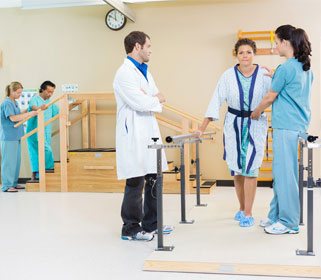
Virtually all models and styles of rolling walkers have several different adjustments that can be made to accommodate for different heights. With that being said there are still some very definite issues that need to be addressed for those that are above average height and weight and those that are petite in size. Generally most rolling walkers and standard walkers will come in two basic sizes, youth and adult. Youth sizes are typically for individuals between four feet four inches and five feet three inches and adult sizes go up to six foot three. Different manufacturers may have slightly different sizing options. Typical rolling walkers can support people between 250 and 300 pounds, again depending on the specifications of the individual model. Using a rolling walker if you are over or under the size specifications can pose a safety issue. This is because the handlebars or grip bar and the seat can only be adjusted so high or low to maintain the stability and safety of the walker.

What is the basic difference between a two, three and four wheeled walker?

Two and four wheeled rolling walkers have four legs and a square to rectangular shape of frame. Two wheeled models only have wheels on the front two legs, allowing for a very stable, secure walker that is easy to move yet very easy to control. Four wheeled walkers have wheels on all four legs, making them easier to maneuver and walk with over longer distances. Both two and four wheeled rolling walkers have hand brakes that are similar to brakes on a bicycle, operating easily from the hand grip position to lock the wheels and prevent the walker from rolling forward when not required. Most two and four wheeled rolling walkers also have a flip up seat, some have a backrest and even additional padding on the seat for comfort.
Three wheeled rolling walkers look like a tricycle on the base. The front wheel typically swivels for easy turning and cornering even in very small spaces such as bathrooms and elevators. Three wheeled rolling walkers may or may not have seats depending on the model and design. Three wheeled walkers, like the two and four wheeled models may also come with additional features such as carrying baskets, totes and water bottle holders. They also have adjustments for height on the handles plus those with seats do have adjustment for the heights of seats as well.
Some two, three and four wheeled rolling walkers can also be folding walkers, making them easy to transport and move about with on public transportation. All rolling walkers from reputable manufacturers will also have warranties from the company, typically which include manufacturer's defects on the frame as well as limited warranties on the brakes and other features of the walker.

Labels: , , , ,

Wednesday, November 18, 2009

What makes a Rollator walker a good choice in mobility equipment?

Rollator walkers have an outstanding reputation as walkers that are designed for safety, security and mobility. They are durable and long lasting, plus they are backed by some of the best warranties found in wheeled or folding walkers. In addition Rollator offers a wide range of walker types including two, three and four wheeled options. One of the major advantageous of a Rollator walker is that they are all designed to be very lightweight. Most models are well under 20 pounds and can easily be moved about by most individuals for storage and transportation.

What are some key features of Rollator walkers?

One key feature that makes a Rollator walker a popular choice is that the walkers are designed to be very durable but also look great and stand up to average wear and tear. They also have various frame colors from blue to teal and red or chrome colors. Upholstery on the flip up seat and backrest will be padded and very durable, providing a comfortable spot to rest if needed. Additional features include wire baskets for carrying items, soft totes and easy to change out wheels.

Most models use a loop looking brake that operates similar to a bicycle break. There is also a locking feature that can be engaged when the individual is sitting on the walker or doesn't want to move. Brakes are easily released when movement is required. The walkers are designed to support set weight and height amounts with adjustments between approximately 31 and 36 inches for handlebar height, depending on the specific model and type of Rollator walker.

In addition Rollator walker options also come in bariatric models that are wider through the frame, have a wider seat as have a weight limit of up to 350 pounds. These models are also slightly heavier and will weigh approximately 29 pounds to provide the stability necessary for slightly heavier individuals.

Are their warranties included for Rollator walkers and what does the warranty cover?

In general and based on the specific model of Rollator walker the warranty time will be different on specific components of the walker. Some models have three year warranties on the frame and brakes and one year warranties on all other features of the walker. The knee walker actually has a lifetime limited warranty, and other walkers will have various types of warranties and options. Generally additions and extras to the walker are not covered by warranty.

How easy are Rollator walkers to adjust for different sizes of users?

Many of the Rollator walker models offer tool free adjustment for height on the handles and the seat. Those that do require tools are still very easy to adjust, tighten and maintain as fasteners are designed to stay tight and not work loose with use. As with any type of mobility device it is recommended that all adjustments be checked on a routine basis and tightened if necessary to prevent any possible safety issues while in use.

Labels: , , ,

Tuesday, November 17, 2009

Are single arm or multiple arm ceiling mount lights the best option?

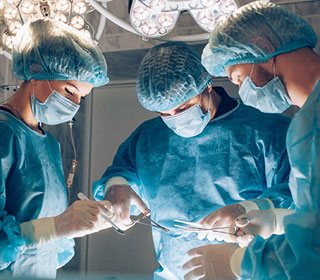
This question is a bit difficult to answer as a general statement since different types of surgical procedures may require highly focused lights from multiple angles. In general a single arm version of operating room light and OR lights is a great option, however it may not be all that is needed. Multiple arms on the same track or trolley in the operating room allow the light source to be directed from multiple points, giving the most comprehensive lighting.

Multiple arm operating room light and OR lights are also typically more space saving than having a single arm ceiling mount and lamp or stand type lights for additional lighting when needed. Stand types of lights can be difficult to store plus they do need to be carefully positioned around a surgical table to avoid restricting access to the patient by the staff.

What types of bulbs are used in operating room lights and OR lights?

There are several different options when it comes to operating room lights and OR lights with regards to types of bulbs. It is important to realize that bulbs and lights are uniquely matched and it is not possible to switch bulb types within fixtures, unless explicitly approved by the manufacturers of both the bulb and the fixture.
Most specialized types of lights used in operating rooms and OR rooms will be halogen, halogen-xenon, metal halide or LED types of bulbs. LED lights are generally used for spot type focus while the other types of bulbs may be used for wider lighted areas and even entire surgical and operating rooms. Combining different types of specialized fixtures and bulbs within a room is also a possibility to provide the brightest, truest light available.

What is an important feature to look for in operating room light and OR lights?
One very important consideration when selecting operating room light and OR lights is the maintenance factor. Lights for the OR are designed with smooth surfaces for easy cleaning and disinfecting, which includes protecting the bulbs but also in the actual fixture design itself. Operating room light and OR lights also have to be designed to allow easy to change out bulbs. Many fixtures now offer options to change out bulbs without the requirement of specialized tools, making maintenance much less complicated than the older models.
It is also important to consider the lifespan of the bulbs as advertised by the manufacturer. Some of the newer spot types of LED lamps used in both flexible positioning surgical lamps as well as ceiling mounted fixtures can last an amazing 50,000 hours, which translates to about 5.7 years of use for each and every bulb.
Halogen types of bulbs also have long lasting lifetimes of up to 2000 hours, plus they also have the ability to provide very specific lighting sources ideal for the demanding lighting needs in an operating room as well as a patient examination room.

Labels: , , ,

Monday, November 16, 2009

What are the best types of surgical lights for smaller clinics and private doctor offices?

Even though most clinics and offices will not have surgical facilities, there is always the need for surgical lights to be able to allow doctors and nurses to have a clear view of the patient. Many different options other than the very large, multi-lamp and multi-arm track or trolley type surgical lights can be used in the smaller spaces in offices and patient examination rooms. One option is to use a gooseneck lamp or a highly mobile stand type lamp. A popular option for the stand lamp is a Burton Reflector which is both stable as well as incredibly efficient in delivering bright, true white light right where it is most needed.

Both gooseneck lamps and stand types of lights can be either LED or halogen types of bulbs that stay naturally cool and provide an option to really focus the light in on the problem area. They are lightweight, highly portable but also very stable and safe for use in smaller spaces.

How complicated is it to clean fixtures and change the bulbs in the stand types of surgical lights?
When equipment is designed for hospital and medical use, especially when it comes to surgical lights, manufacturers strive to make the product safe and stable, easy to clean, disinfect and maintain. Most of the surgical lights are designed with a very smooth surface, including the reflectors and fixtures, to allow for quick and easy cleaning and disinfecting without surface areas that can trap germs, bacteria and other types of contaminants. Likewise, most manufacturers offer features that allow the light bulbs to be change with easy, just as a typical home light bulb is changed out as needed. In some cases the clear cover over the lights may need to be removed but clips or simply push button mechanisms to release the cover are often used over screws or other types of fasteners that require tools.
What types of features are important when selecting minor surgical lights?
Minor surgical lights come in a variety of styles and styles from wall mounted units with arms that can be positioned through to stand or desk types lamps and even headlights for close work. Choosing the right features is largely personal taste as well as convenience with regards to positioning the lamp or fixture within the specific room or workspace.
One feature to look for in minor surgical lights is the type of bulbs that are used and the lifespan of the bulbs in the fixture. There are several types of halogen and LED lights that have different wattage but also different average operating hours. Most halogen and LED lights will have at least 2000 hours of life, but some have significantly more. In addition it is important to consider if the fixture needs to have one light or more than one light to provide adequate light within a specific patient or examination room.

Labels: , ,

Friday, November 13, 2009

What is the advantage to a double door type of narcotic safe over a single door model or style?

A double door narcotic safe offers several safety features that are not found with a single door model. The most obvious is that anyone trying to gain entry to the safe with or without keys has to go through two different locks and doors rather than just one. This means that they would have to physically break through two sets of stainless steel or 18 or more gauge steel in order to get to the contents.

With a double door narcotic safe there is also more security for staff as they can always lock one door when preparing medications, never leaving the narcotic safe completely open. This type of practice can prevent accidental removal of items if the staff is distracted or called away during this time.

What types of locking mechanism are used in a narcotic safe and why?

In most typical narcotic safe models either a cam locking mechanism or a tubular locking mechanism is used on the doors. Double locking doors will have two similar locks but both will require a different set of keys. In addition all boxes come with a unique key set, meaning that someone having a key for a similar model of box will only have access to that one specific box. This can be very important in hospitals and health care facilities with high staff turn over and the possibility of lots of keys in circulation.

Locks used in the high quality narcotic safe models are also designed to resist being picked. This is an important feature as thefts from narcotic safe boxes are a real concerns for health care facilities.

What type of storage space is available inside a narcotic safe?

Depending on the size and type of narcotic safe there may be a fairly large amount of storage space or a relatively small space available. Typically the smaller the size of narcotic safe the fewer the number of shelves, with some cabinets under 12 inches in height not having any fixed or adjustable shelves. Larger narcotic safes may have two, three or four shelves, some models which may be adjustable while others may be fixed. Different facilities will need more or less storage space in a narcotic safe. It is better to consider one larger safe than have several smaller cases as this allows for central control and monitoring of keys and access to the narcotic safe.

Is a narcotic safe covered under any type of warranty?

Generally most manufacturers will provide a warranty against manufacturer's defects for a period of time after the purchase of the narcotic safe. In a great many cases this warranty will extend to up to five years from the time of purchase, but it is not comprehensive against all possible issues with the safe that may occur due to misuse, incorrect installation or other issues. It will cover any defects in the safe that prevent the proper functioning and use of the safe, provided the narcotic safe has not be modified or changed after the purchase was made.

Labels: , ,

Thursday, November 12, 2009

What are most types of narcotic cabinets constructed from and why is this the best material?

In general virtually every model and style of a narcotic cabinet used in a hospital or health care facility will be made of steel. Some will be constructed of stainless steel while others will be of 18 to 22 gauge steel. Generally the larger the gauge number of the steel the heavier and more secure the cabinet will be. Steel is resistant to fire and damage by water, plus it is very difficult to cut or pry apart at seams and joins, making this an almost impenetrable type of cabinet without the keys to open the locks. Even the doors are fitted to closely meet with the cabinet frame, preventing little option for wedging or prying on the narcotic cabinet.

In addition many of the steel narcotic cabinet doors come with full length stainless steel hinges, sometimes known as piano hinges. Having these long hinges down the door prevents the pin from being removed to allow anyone to gain access to the cabinet.

What are some additional features that should be considered when purchasing a narcotic cabinet?

Additional safety features to a standard one door, one lock type of narcotic cabinet can include adding additional locks as well as adding additional doors. Two door cabinets have a different key for each door, both which are independently locked of each other. Double doors also prevent anyone from tampering with the exterior door and immediately gaining access to narcotics within.
Keys that cannot be removed when the door is in the open position provide safety as well. This feature means that keys cannot be taken out of the locks unless the door is secured and in the correct locking position. Warning lights that stay on when the door is open provide a quick way for staff to check that the door is locked and in the correct position before walking away or leaving.
How can a smaller sized narcotic cabinet be made safer within a medical supply room?
Some of the smallest narcotic cabinet models are only 10 by 7 by 7 and may weigh just 5 pounds, very easy to pick up and carry without much effort. In order to prevent this from happening, several security measures can be added. The easiest is to keep these smaller narcotic cabinet models within pre-existing locking cabinets, cupboards or medicine storage areas. This prevents anyone not on staff from having access to the areas where the narcotics are located and stored.
The second option is to also mount the smaller sized narcotic cabinet to a wall, countertop or shelf. Many come pre-drilled with mounting brackets for easy installation. Securing the narcotic cabinet to a permanent surface means it cannot be moved without having the key to access the bracket and screws holding the unit in place.

Labels: , ,

Wednesday, November 11, 2009

Are there different types of nebulizers for children and adults?

There are several different types of nebulizers that can be used for both children or adults, but there are also specialized nebulizers just for children. For older children nebulizers in the shape of checkered cabs are a fun way to allow breathing treatments to occur without looking like a medical procedure. These devices are easy to use for the child as all they have to hold is the mouthpiece, the "cab" sitting on the table includes the pump, filters and the power supply. There are also duck shapes, fire trucks, bears and penguins among several other styles and designs developed to be less frightening and complicated for younger kids.

Adults and older, more mature children also have several choices in styles of nebulizers. Micro-mist types of nebulizers are designed to provide an even, fine administration of the bronchodilator medication in the correct size of low-micron particles.
Are there any options in respiratory care equipment to help with dry, bleeding noses or continuous runny noses due to colds, humidity problems and flu symptoms?
There are several options to help with dry air found in most homes and offices during the winter months. Air is dryer due to forced air type heating systems which remove the natural moisture from the air. This can result in more sinus problems, dry, bleeding noses and constant cold and sinus headaches. A device that works to spay a fine mist up into the nasal passage can provide immediate relief to dry, irritated nasal lining and reduce problems with nosebleeds and painful breathing. In addition the gentle cleansing action will also cause drainage of blocked sinuses, reducing runny noses and relieving sinus pressure and headaches.
Humidifiers can also be used in rooms or in conjunction with CPAP machines to help keep the air moist and soothing for your nose and airways. Always use humidifiers, especially with CPAP machines, according to your doctor's directions.

Is there anyway besides air purifiers and cleaners to remove allergens from a home?
There are several options to remove allergens from a home, although typically they are used in conjunction with a high quality HEPA air filtration system or a system that uses HEPA filters in combination with a UV light to kill microorganisms that may be too small for the HEPA filter. Disinfecting with a high quality germicide and fungicide is also a great option to remove any sites of mold, fungus or bacterial growth in the home. This is particularly important in areas that are naturally moist such as in the bathroom and the kitchen areas.
Dusting products can be used that trap and hold allergens, dust, dander and mold spores to the dusting cloth. These are different than furniture dusters or polishes as they actually trap and hold the allergen to the duster, not just allow it to be more easy collected. As with all products, using it in conjunction with everything listed above will be the most effective option for the entire home.

Labels: , , ,

Tuesday, November 10, 2009

What are the best types of sanitizers and disinfectants to use in hospital and health care settings?

Having several different options when using sanitizers and disinfectants in health care settings is considered to be the best option. Some types of cleaners and disinfectants are easier to work with in different environments, plus some disinfectants have additional features such as room fresheners added right to the solution for clean, fresh smelling rooms.

Citrus based germicidal cleaners are a popular option in many facilities since they provide outstanding germicidal properties, have a pleasant citrus scent and don't use harsh chemicals that are not environmentally friendly. These products are also non-flammable, making them a good option for any type of patient care area.

What are the essential types of respiratory supplies that need to be on hand heading into the flu season?

Any breathing type supplies including air bags, tubing, adaptors, connectors and valves should all be kept in good supply. In addition home breathing machines such as the various types of CPAP machines are also important both year round as well as in the colder winter flu season. Extra oxygen cylinders, regulators and tank holders should also be available in the event of a flu outbreak within a specific community or area. Since additional breathing problems are typically a sign of all types of flu, colds and respiratory infections it is highly likely that a dramatic increase in the need for these types of respiratory supplies will occur.

Additional complications with flu outbreaks such as N1H1 and other types of Influenza A and B strains will also contribute to the demand for respiratory supplies. Since these supplies will also be needed year round, the flu season is definitely the time to check supplies and order in extras.

Are there significant size differences in breathing masks, bags and other types of respiratory supplies?

All manufacturers produce a range of sizes of different types of respiratory supplies and equipment for use on a variety of patients. Adult sizes are designed to fit the nose, mouth and head of an adult, depending on the device. Sizes for children range from those highly specialized for premature infants through to sizes for more mature children. Having the right size of respiratory supplies on hand only makes the staff's work that much less stressful. It also allows more effective administration of air, oxygen and medications to the patients because everything has been designed particularly for that patient's particular size.

Face masks including AMBU, B.O.C, R.B.S and clear silicone face masks come in a variety of sizes, each shaped and molded to fit a particular size of child or adult. Likewise air bags used for children, juveniles and adults are also different sizes to prevent the staff from having to worry about air volume entering into the lungs from incorrectly sized bags.

Labels: , , ,

Monday, November 09, 2009

Are there residential air cleaning and purifying products that are as good as those used in hospitals and health care facilities?

There are several residential models of air purifiers and cleaners that are just as effective as the system wide treatment products used in hospitals and health care settings. Home systems can be used for treatment of individual rooms or the entire home, depending on the location of the system and what is required. In general air purifiers and cleaners with HEPA filters are a good start and combining HEPA filters with UV light in air purifiers and cleaners will provide the same level of control that hospitals and clinical settings use.

For controlling the smaller allergens that may go through a HEPA type of filter, UV light is really the most effective option. These types of allergy treatment programs can remove any organic types of matter from the air and literally destroy it before it causes any allergic reactions.

Can your air conditioning unit actually be causing allergy problems?

Molds, mildew, bacteria, yeast and other potential spore producing fungi can and do live in the air conditioning coils and drains of your air conditioning unit. These contaminants and allergens then are right within the unit, blowing out through your home every time the air conditioner comes on. The conditions around the coils are ideal for growth of these types of microorganisms since it is dark, wet and warm. UV light systems that provide cycles of UV light to the air conditioner coils kill both the spores as well as the adult organisms. Typically this results in a very quick decrease in the amount of allergens in the home or building, often with very dramatic positive health results.

Is Hay Fever the same as an allergy and what is the treatment?
Hay fever is a type of allergic reaction, typically to dust, smoke and pollen. Like any other type of allergy, reducing the contaminants that trigger the hay fever is the best way to avoid any complications as the symptoms of the allergy. Since HEPA filters, UV light treatment or a combination of both will remove dust, pollen and some smoke from the air they are great options. Active carbon and other types of filters can also be added to completely remove smoke, VOC's and other irritants that may be triggering the reaction.

What information proves that air cleaners and purifiers can help with allergy treatment and prevention?
There have been several studies done on the effectiveness of UV light types of air cleaners and purifiers in different buildings, hospitals and facilities. McGill University recently completed a study in November of 2003 that indicated that the use of UV germicidal lights resulted in a 20% decrease workers calling in sick and a 40% overall decrease in respiratory problems reported by those working in the building.
In addition HEPA filters have long been used in air purifiers and cleaners in hospital settings and can effectively remove 99.9% of all contaminants in the air that are 0.3 microns and larger.

Labels: , , , ,

Monday, November 02, 2009

What is the most important feature to consider in airborne allergy care in residential or office type settings?

What is the most important feature to consider in airborne allergy care in residential or office type settings?

Keeping the air free from potential allergy causing airborne contaminants is the single most important way to prevent airborne allergy problems. Although there are great ways to disinfect surfaces, keep hands constantly washed and even use holistic and pharmaceutical regimes to help keep bodies healthy, once an allergen is in the body the body is going to react.

Using air purifiers and cleaners to constantly remove allergens from the air in circulation in the building is really the key. Airborne allergy care through air purifiers or cleaners also cuts down on viruses and bacteria in the air, leading to less sick time in buildings and fewer problems with germs being passed back and forth between family members.

How are UV air purifiers and cleaners safe to use when people are in the room or the building?

UV light can be very damaging to any type of living organism, however in air purifiers and cleaners the UV light bulbs are located within the air purifier or cleaner unit, completely shielded from any expose of the individuals in and around the system. These systems are so save they are even used in hospitals, clinics and medical treatment facilities where maintaining contaminant free environments are absolutely essential to the health and recovery of patients.

UV light sources for some types of air purifiers are not shielded, and these systems are only used in vacant rooms. Even these systems have safety features built into place to prevent any accidental exposure. One important safety feature is a infrared motion detector that automatically shuts down the system with any movement in the room. Individuals cannot accidentally walk into a room when the UV cleaner is in the sterilization part of the cycle, ensuring there is no harm when these types of accidents occur.

What other ways can homes use to deal with airborne allergy care?

Carefully controlling the levels of dust, VOC's, molds and other types of environmental contaminants in the home can really cut down on airborne allergy problems. This means routine dusting, vacuuming and disinfecting as well as keeping the home with a humidity level of less than 50%. Higher humidity tends to encourage the growth of molds, fungus and mildews that in turn lead to more allergy symptoms and problems.
Can controlling allergy symptoms help in reducing asthma attacks?
Since allergies cause irritation in the sinuses and airways, chronic or even occasional allergic reactions to airborne contaminants can lead to chronic irritation of the airways. Since asthma is a similar condition that results in the airways actually closing, any previous irritation from allergy symptoms will just increase the chance of an asthma attack. Airborne allergy care really can help cut down on asthma problems for those already diagnosed, and it may also help decrease the likelihood of someone developing asthma in the future.
Air purifiers and cleaners, disinfectants, routine fresh air exchange in homes and even proper venting and circulation of air in the home can have significant health benefits besides just controlling allergies.

Labels: , , ,

Friday, October 23, 2009

Why are digital food weight scales often recommended by nutritionalists and medical professionals?

Unfortunately in today's society most people that have any type of eating problem or dietary restrictions with regards to amount of food have very little to go on as to what is a healthy portion. Restaurants, fast food chains and even home cooked meals are often served in portions that are simply too large to allow for weight loss or weight maintenance.

Since portion control is invaluable in counting calories, carbohydrates and even fat, knowing the precise weight of what you are eating in order to do the calculations is a must.

What is the largest and smallest weight that most digital food weight scales will measure?

Each digital food weight scale will differ slightly as to the minimum amount it can weigh accurately as well as the maximum. Some of the more expensive or deluxe models can typically weigh up to 11 pounds and weight smaller amounts of more than 1/8 ounce. There are also some scales that only weigh up to 5.5 pounds and also weigh a slightly larger low end amount of ¼ ounce.

Understanding what types of measurements you need to make as well as the types of foods and ingredients you will be measuring is an important consideration when selecting digital food weight scales that will meet your dietary requirements.

What scales are good for measuring multiple items for cooking, baking and food preparation?

Almost all digital food weight scales that are good quality will have a tare function. This allows you to measure multiple ingredients into the same bowl by just pressing the tare button function between each ingredient. The one thing to look for in addition to the tare feature is the automatic time out feature. In some models it is only a few minutes until the machine automatically shuts off to conserve energy or battery life. If this happens in the middle of a recipe you may need to start over again. Some models have variable settings for automatic shut off while others don't have an adjustment feature.
How long does it take to read digital food weight scales and what are some possible concerns?
Most digital food weight scales have a fairly quick LED read-out display that should give a final and true weight within a few seconds. Some scales will have more bouncing around of the numbers which does mean you have to wait to confirm that the numbers aren't still adjusting. Quality and price does influence this factor as the cheaper scales tend to be more problematic in this regard.
Another feature to consider with regards to the readout is the location of the display as well as the actual size of the display. LED panels can easily be hidden by the shape of larger bowls, so a pull out display or one that is clearly visible and not overshadowed by the rim of a bowl is important.

Labels: , ,

Thursday, October 22, 2009

What energy saving features are available on different types of electronic kitchen scales?

Most electronic kitchen scales are battery operated, although there a some that are AC powered and some that are dual battery and AC powered options. In general most of the electronic kitchen scales that are battery powered do have the option to use rechargeable batteries, which are much more environmentally friendly as well as cost saving over time.

Other energy saving features on many different types of electronic kitchen scales include auto off systems. These systems shut off the LED display and read out if the scale is not used for a set period of time. Typically touching the power on button is all that is needed to reactivate the scale, some may even come on with pressure on the weigh plate of the scale.

Is there a real difference in the price and the quality of electronic kitchen scales?

In electronic kitchen scales, as with almost any other type of product, there is a correlation between price and quality. The very low cost electronic kitchen scales often are not as accurate as the middle of the price range and the upper price range models, plus they typically also have a shorter overall life when used fairly regularly.

Less expensive electronic kitchen scales also tend to be more standard and basic in their features, often not offering the additional features that the top end models do. However, there are many companies that constantly take models out of service or change model styles, then reduce the price of existing "old" stock. Finding this higher priced scales at a discount price a great find and a terrific way to get an outstanding scale at a budget price.

How do electronic scales stay accurate?

Good quality electronic scales are designed to self-calibrate very quickly upon start up. This allows the scales to continually stay in balance, not like the old scales that had to be manually adjusted for. In addition electronic scales that are constantly used also have a zero function, bringing the scale back into balance with the simple push of a button.

Why is a tare function important on an electronic kitchen scale?

The tare function allows the user to actually zero the scale even though an item or items are actually on the scale. This is important if you want to weigh something that simply cannot be placed on the plate or in the basket provided with the electronic kitchen scale. In this case a bowl, plate or container can be placed on the scale when it is empty, then the scale button for the tare function is pushed. The item to be weighed is then added, and the scale automatically deducts the weight of the container in the read-out. This saves having to manually weight the container, weight the container and ingredients and then subtract the weight of the container. For people that use their scales often this saves a lot of headaches and possible mistakes.

Labels: , ,

Wednesday, October 14, 2009

Why are some children chronically sick with cold-like symptoms and what can be done in the home or school?

Children, especially those with asthma, allergies or respiratory problems in their family are often much more sensitive to irritants and allergens in the air than adults. Unfortunately homes, schools and other public places where children tend to gather are often full of these types of allergens and irritants. UV sterilization is one way that parents and school systems can provide improved indoor air quality or IAQ for their children. Ultraviolet sterilization actually destroys or deactivates the molds, viruses, germs and bacteria that may be triggering both asthma and allergic reactions, plus it can also help to cut down on the risk of flu epidemics. Since N1H1, Avian flu and even all the very contagious Influenza A strains are more problematic, treating the air and ridding it of contaminants just makes good sense. Since children are estimated to miss 14 million days of school because of asthma related illnesses, this is a very important consideration.

UV sterilizers can be portable units used in specific rooms or facilities, they can be units installed in air conditioning systems to treat the air moving through the system or they can be room sterilizers that are used as a combination of air filters, purifiers and UV sterilizers.

What health benefits can I expect to see with the use of UV sterilization in the home and how quickly will they occur?

In most cases homes, schools and businesses that install ultraviolet sterilization systems in their air conditioning units or as portable units in the building will notice an immediate improvement in air quality and a decrease in odors and irritants in the air. For those units installed in air condition coils continue cleaning of the air around the drip pan, coils and drains will continue to kill and eliminate the yeast, bacteria and mold colonies, increasing the efficiency of the system and preventing mold spores and other contaminants from entering into the rest of the system. This all begins immediately upon operation of the UV sterilization system. Full effects in very contaminated systems are seen within a few months resulting in decreased air quality complaints and odor problems.

Are there any possible harmful effects of UV sterilization around children or adults?

Correctly maintained and installed UV sterilization systems pose no danger to humans, regardless of their age. The units installed in air conditioning systems are designed to prevent any possible exposure and children and adults will have no contact with the UV light emitted by these types of UV sterilization systems. The room systems that feature UV sterilization either have the bulbs sheltered from any potential exposure to humans, or they are designed to have motion detectors that shut off to prevent any accidental exposure.

Specially designed bulbs used in various types of UV sterilization units also do not prevent ozone, ensuring a very safe and healthy environment even during the sterilization cycle.

Labels: , , ,

Tuesday, October 13, 2009

Do the UV bulbs in UV air purifiers ever need to be cleaned or dusted, if so how can I do that safely?

In general a UV air purifier system should not need to have the bulbs cleaned on any type of routine basis. This is because in some systems there are filters that the air passes through before reaching the bulbs that actually remove most of the larger dust particles and other microscopic particles that may be present. Even in those UV air purifiers that don't have pre-bulb filters the UV rays from the light will actually degrade the particles over time, literally self-cleaning the surface. In some instances if oil from someone's hands or any other type of adhesive material gets on the bulbs, clean with a soft cloth and a solution of 99% alcohol. Always use a lint free cloth and only clean when necessary.

What does UV actually mean and can UV be seen by the naked eye?

UV air purifiers use a technology known as ultraviolet light. This is a naturally occurring light in the spectrum that is beyond what the human eye can detect. UVC is the type of UV light used in ultraviolet air purifier systems. It is also known as short wave UV and is the most effective at killing germs, molds, viruses, bacteria and other type of naturally occurring and man-made types of contaminants. Another common term for UVC is UVGI which stands for ultraviolet germicidal irradiation. This type of UV, UVC or UVGI is potentially harmful to any living organism, including humans. Exposure to UVC light can have serious health effects as it does destroy organic material including DNA within individual cells. High levels of safety back-ups such as infrared motion detectors and LED displays that show the cycle of room type UV air purifiers make this advanced technology both safe and efficient for a wide range of home and facility applications.

If I already use a filter system in my home or office air conditioner, do I still need to consider a UV air purifier?

Standard filters, including HEPA filters and activated carbon filters are a good way to eliminate odors and some types of allergens and irritants from the air. However, they are not designed nor do they claim to remove the smallest particles, many which are the most problematic. Viruses, bacteria and even mold spores are simply too small to be trapped by these types of filters. UV air purifiers can be used in conjunction with other filtration systems to provide a very comprehensive improvement to indoor air quality. Filters are helpful in making the ultraviolet air purifier even more efficient as they remove the dust particles that the germs may be on. This then allows the UV light to immediately start destroying or deactivating the target microorganism. Some of the newer portable types of UV air purifiers incorporate all three types of air treatments, HEPA filters, activated charcoal and then UV light for fast and efficient cleaning.

Labels: , , ,

Monday, October 12, 2009

I already have a HVAC system in my home and office, do I need to completely replace it to install any type UV air cleaners?

There is no need to completely install a new system if you wish to use a UV air cleaner such as the UV Air Cleaner 4400 or any other HVAC UV air cleaner. This is because the systems are all designed for retrofitting, simply requiring an installation in the air conditioning coils to eliminate the molds, bacteria, yeast and other contaminants that are found in those damp, humid and warm conditions. These systems are designed to work with either exterior-mounted types of UV air cleaners or mounted directly, which is called nested, into the existing system. The design of the UV air cleaners allows a full range of light 360 degrees around the unit, providing a very comprehensive air sterilization process.

Keep in mind that the UV air cleaners work on more than just the coil area. The HVAC system itself is kept clean including drip pans and drains. This ensures that spores from these traditional problem areas are not blown through the system and spread throughout the facility.

What about energy efficiency; doesn't the UV Air Cleaner 4400 or other types of UV air cleaner systems actually cost a lot to operate?

In virtually all cases the cost of the operation of the UV Air Cleaner 4400 or any other type of UV air cleaner system is going to be more than offset by the increase in indoor air quality, the increase in productivity on the job and the increase in efficiency of the HVAC system. This is because the system itself is not under attack from bacteria, yeast and molds that can inhibit cooling and efficiency, resulting in more electricity to keep the temperature managed.

UV air cleaner systems have been linked in studies by the EPA, McGill University, Journal of Asthma and the Air and Waste Management Association as dramatically reducing the cost of illness to companies, in some cases by as much as 20% with just a short study period.

How difficult is it to change out the UV lights in UV air cleaners?

New designs in soft glass UV lamps have made changing these lights a very simple and easy process that doesn't require any special tools or skills. Soft glass combines barium silicate as a surface treatment on the inside of the bulb, which allows the lamp to emit more UV even during continual use than traditional types of UV bulbs. In addition these bulbs don't produce ozone, making them a great option for use in any facility. Changing the bulbs in UV air cleaners is done about every 12 months, however there is no need to clean the bulbs between changes. They are changed just like a fluorescent bulb and should be disposed of in the same fashion. Hospitals or other medical facilities that require UV air cleaner systems for infectious disease control should change out the tubes more frequently as required by specific guidelines.

Labels: , ,

Friday, October 09, 2009

Do all buildings have mold but not all people are actually sensitive enough to have respiratory and health problems due to mold in the enviroment?

In general all buildings and facilities, including private homes, schools, hospitals, long term care facilities, prisons, offices and stores all have some level of mold and mold spores in the air. UV air purifiers, if used either as stand alone units are as part of the HVAC air system in the building can significantly reduce the number of mold spores and mold colonies in any given building or room.

UV air purifiers are really essential in HVAC systems as they work to eliminate mold, yeast and bacteria from developing in the air conditioning coils. The drain pans and coils are an ideal location for these contaminants to grow as the area is dark, moist and typically very warm. Without the use of air purifiers with UV lights, these coils and the drains around them produce huge amounts of airborne spores and contaminants that are then blown throughout the building with the warm or cool air.

Not all molds in the air are harmful but it definitely is problematic for individuals. UV air purifiers reduce the viable spores, ensuring that the mold cannot grow and form new colonies, dramatically reducing the respiratory problems within a few weeks of use.

Can UV air purifiers reduce or eliminate black mold?

Black mold is considered to be the most problematic of all the molds, resulting in serious health complications and long term health effects with constant exposure. The correct name for black mold is Aspergillus Niger, and UV air purifiers that use high power UV lights are considered to be essential in completely remediating homes, office buildings and other facilities that have been found to have been contaminated with black mold.

It is also important to note that according to the Environmental Protection Agency exposure to molds and other irritants and contaminants in the air can actually not be seen immediately, but may cause serious health complications in later years. The length of exposure over time combined with the type of contaminant as well as any pre-existing respiratory or health conditions will all affect how significantly poor air quality impacts an individual.

What are other common molds besides black mold that UV air purifiers can reduce or eliminate?

There are several different types of molds that can be eradicated through the use of an ultraviolet air purifier. Two common types of molds and fungal spores found in indoor air are Penicillium italicum and Cladosporium. Penicillium italicum is a plant type of fungus that is often found as the bluish green fungus growing on citrus fruits that have spoiled. Cladosporium has 40 different species that are typically found in rotting organic matter such as plants and wood materials as well as soil. Both of these types of molds can produce very extreme reactions in those with respiratory problems or related allergies. Using UV air purifiers to prohibit the growth of spores and reduce existing colonies is essential to cut down on respiratory problems.

Labels: , ,

Thursday, October 08, 2009

What types of institutions, agencies, facilities or buildings would most benefit from a UV air sanitizer system?

In reality there are very few public buildings, private facilities and even private homes that would not benefit from some type of UV air sanitizer systems. The vast majority of buildings, regardless of their use will develop mold issues as well as airborne contaminants no matter how well kept and maintained they may be.

The major problem with mold and airborne contaminants that may trigger respiratory problems or even increase the likelihood of viral and bacterial problems is that they are often found in areas that are not highly visible and areas that may not be cleaned on a regular basis. Leaving even a small area untreated can provide an opportunity for various types of microorganisms to continue to reproduce and spread, leading to reoccurring and highly drug resistant types of health concerns.

Is it true that an ultraviolet air sanitizer can actually kill drug resistant Staphylococcus outbreaks?

Methicillin-resistant Staphylococcus aureas (MRSA) is considered to be highly problematic in hospitals, detention facilities, schools, public buildings and even in gyms and other facilities. It is a type of bacteria that contributes to problems with infections in hospitals and in other public areas and it is very resistant to any type of drug treatment. It is also incredibly easy to transfer from patient or person to person, even a slight blemish or scratch on the surface of the skin can provide enough for the bacteria to enter the body and start causing significant health problems and even death in already ill individuals.

UV air sanitizers have been proven in laboratory tests to be 99.9% effective at destroying the Staphylococcus aureas in approximate 5 minutes at a range of eight feet around the mobile UV air sanitizer. At the seventeen foot range the same high destruction percentage was noted at about the ten minute mark. This allows any room to be treated for the Staphylococcus aureas that may be present in the air, while alcohol wipes and disinfectant is equally as effective at treating it on surfaces. The duel action of surface cleaning plus UV air sanitizers is ideal for any type of area where Staph or other bacterial or viral diseases may be an issue.

Don't air conditioners have filters and other types of cleaning options for treating the air?

Many air conditioning systems do have filters; however they typically filter out only the very largest of the irritants and allergens that may be present in the air you breathe. Many people mistakenly believe that indoor air is actually clean, when in fact the US Environmental Protection Agency (EPA) indicates that indoor air can have two to five times the number of pollutants found in outdoor air. Ultraviolet air sanitizers kill the germs, bacteria, molds and the yeast that can also be found in the air, all which may contribute to respiratory problems, chronic illness and overall loss in productivity and health for everyone working or living within the facility or home.

Labels: , ,

Wednesday, October 07, 2009

Is an ultraviolet sanitizer safe to use in a pubic type of setting?

There are several different options when it comes to ultraviolet sanitizers and ultraviolet sanitizer systems that are very safe to use in public types of settings when humans are present. These systems are enclosed so the UV light is contained, preventing any possible health risks. UV sanitizers that are mounted within the coil systems of HVAC systems and air conditioners are shielded, preventing any possible concerns while still providing very high levels of sterilization in the air while the systems are in place. The coils themselves, often home to bacteria, yeast, molds and other contaminants and also kept free from these irritants, ensuring a very healthy indoor air quality or IAQ.

There are also mobile room ultraviolet sterilizers that are used only in vacant rooms. These types of UV sanitizers are designed to deliver maximum UV light, effectively killing or deactivating any microorganisms in the room. They do not require the air to circulate through but rather rely on the UV light rays to complete the damage. These systems have specially designed safety features.

What types of safety features are typical of mobile types of UV sanitizers?

Mobile types of UV sanitizers that are designed for use in vacant spaces should have several different types of safety features. One particular consideration is a LED type of display that clearly indicates what part of the sterilization cycle the system is in at any time it is plugged in. This LED display needs to be easily visible on the unit, even from a distance.
Another safety feature should include multidirectional infrared motion detectors that immediately shut off the unit when any type of movement is detected. This is an important consideration to avoid any accidental exposure to the high UV rays. These detectors should be mounted on each side of the mobile unit to provide complete coverage regardless of how the ultraviolet sterilizer may be positioned in the room.
How is a mobile UV sterilizer able to successfully clean the air in all areas of the room during the sterilization cycle?

Using high output UV lamps that are strategically positioned to provide maximum light distribution, mobile UV sterilizers simply shine the UV lights and create a comprehensive coverage of the room. In addition to the strategic location of the long UV germicidal bulbs, there are also built in reflectors that shine the light up and out, ensuring a full coverage of the room area. Killing the microorganisms occurs immediately as the UV light floods the room, however the areas closest to the light in a circular pattern are most quickly sterilized, then the sterilization radiates outwards. In most standard sized rooms with 9 foot ceilings the typical time to kill all airborne viruses and bacteria is not more than 5 minutes. Molds, which have a thicker protective layer are the most resistant to deactivation by UV light and will require up to three hours for full sterilization to occur.

Labels: , ,

Monday, September 28, 2009

What types of used and refurbished C-Arms are typically available?

Since there is such as wide variety of C-Arms on the market, each designed to complete a specific type of imaging, there is almost a limitless possibility as to what models may be found as used and refurbished. Typically the C-Arms that are sold as used and refurbished will not be exceptionally old models or those that have been cosmetically damaged in highly noticeable ways.

In most cases the types of used and refurbished C-Arms available are going to include the most common models, since there are simply more of them in practices. Generally they are sold as used and refurbished once the medical service provider upgrades to a newer or specialized type of C-Arm equipment.

Some of the many types of used and refurbished C-Arms available include vascular C-Arms, Fluoroscan F-lll, and even the multipurpose Ziehm Exposcop 7000, which is perfect for any type of surgical, orthopedic or pain management application. These are just a very few of the models available as used and refurbished C-Arms.

What should be considered when buying new and refurbished C-Arms?

Perhaps most importantly when buying new and refurbished C-Arms is to consider the reputation of the seller. Buying these items directly from another hospital or health care facility can be a real issue if something is not working on the unit. A better option is to buy from a company that has been in the business of supplying equipment for medical and health care centers for several years.

Buying through a supply company as opposed to a private seller or other health care facilities means that the new and refurbished C-Arms have at least been tested at that facility by individuals that are knowledgeable on how the equipment should operate. These companies also repair any damaged equipment and even complete the minor cosmetic issues that may be found on the equipment. When you, as the buyer, receive the item it will look basically new unlike what may happen if you by a used but not refurbished piece of equipment from someone else.

How are used and refurbished C-Arms typically sold?

As with any type of equipment, used and refurbished C-Arms are typically sold as is. This doesn't mean that the company selling the used and refurbished C-Arms don't stand behind the product; it is a standard way of selling any type of used equipment. The company selling the used and refurbished C-Arms have completed all repairs and are selling the equipment in good working order as it leaves their facility. All repairs are made with the correct parts from the original manufacturer, allowing an additional guarantee that the repairs are complete and have the equipment in excellent working condition. A reputable company will provide the option of having the buyer purchase a warranty that can give you the peace of mind that you would get with purchasing a new C-Arm. The warranty is typically priced over and above the cost of the used and refurbished C-Arm.

Labels: , ,

Friday, September 25, 2009

What is a split leg training room table?

A split leg training room table is a very versatile and handy piece of equipment. Besides being a standard training room treatment table it can also double as a taping table or examination table as needed. In addition the split leg feature allows the bottom half of the top section of the table to be elevated separately. This allows one leg to be elevated for treatment or examination, or even to help in minimizing swelling after an injury.

Each part of the dual sided split legs have individual rods that can be adjusted to provide the desired angle for the leg. The rods lock into place on the frame of the table with a spring loaded lock in lever mechanism that prevents any slippage or sudden movement in angle either up or down.

Split leg training tables are designed to be durable and have additional storage space under the table in the form of separate drawer and cupboards. Some also have an optional backrest that can be elevated to allow the player to rest comfortably in a more recumbent rather than prone position.
Are there any options for portable treatment tables that are durable enough for outdoor use?
There are several different models of highly portable and very durable sideline training and treatment tables. These tables are designed with outdoor use in mind. Typically these tables have adjustable leveling legs, perfect for setting up in less that completely flat ground conditions. In addition the metal frame is coated to prevent any possibility of rust, even when used in damp and wet conditions. In addition the bottom of each of the table legs is mounted with what are known as field feet, wider and larger than typical furniture leg bases, preventing any sinking into the ground or the mud.
The surface of the portable treatment tables are usually a very heavy, puncture resistant type of vinyl. All seams are sealed and coated to prevent water from getting into the foam. These tables are really ideal for any type of professional, semi-pro or amateur sporting event and give doctors and team staff a chance to assist players with minor injuries right on the field.

Are training room tables able to be used for other reasons in a smaller locker, team room or sporting facility?
Many teams, coaches and facility managers try to find equipment that is versatile enough to handle whatever a team may need. Many of the training room tables can also double as taping tables, making them an ideal option. These types of tables typically hold two or more people at a time with optional padding between the stations to quickly transform the taping table into a full treatment table. Storage areas under the training room tables can also double as medical or sports storage areas. Roomy closets spaces and large, smoothly opening drawers make these practical additions to any locker, training room or team room.

Labels: , ,

toll free: 1-877-706-4480
www.MSECompany.net